
Why it matters when buying land
Vacant land is the classic adverse possession target. Absentee owners who never visit their parcels may not notice a neighbor's fence, driveway, or garden creeping across the line — and after enough years, that encroachment can ripen into a legal claim on part of the property.
For buyers, an active or ripened adverse possession claim is a title problem: you could pay for acreage a neighbor already has rights to. Encroachments that show up on a survey are a red flag worth resolving before closing, not after.
The doctrine also cuts the other way — long-standing fences and use patterns sometimes mean the effective boundary differs from the deeded one, in either direction.
How to check it
Order a boundary survey before buying — it is the most reliable way to reveal fences, driveways, sheds, and other improvements sitting on the wrong side of a line. A title search will surface any recorded quiet-title actions or boundary agreements.
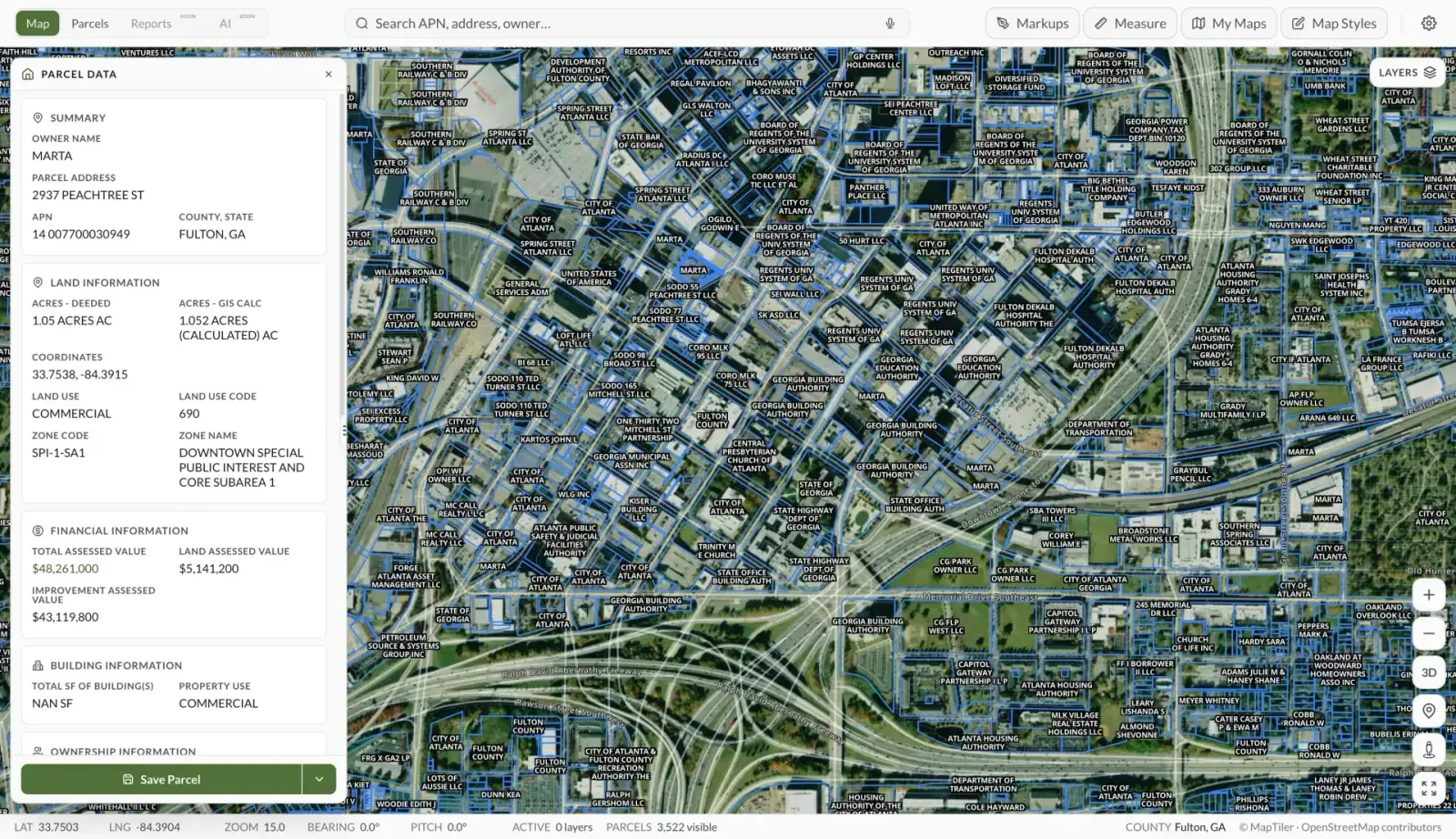
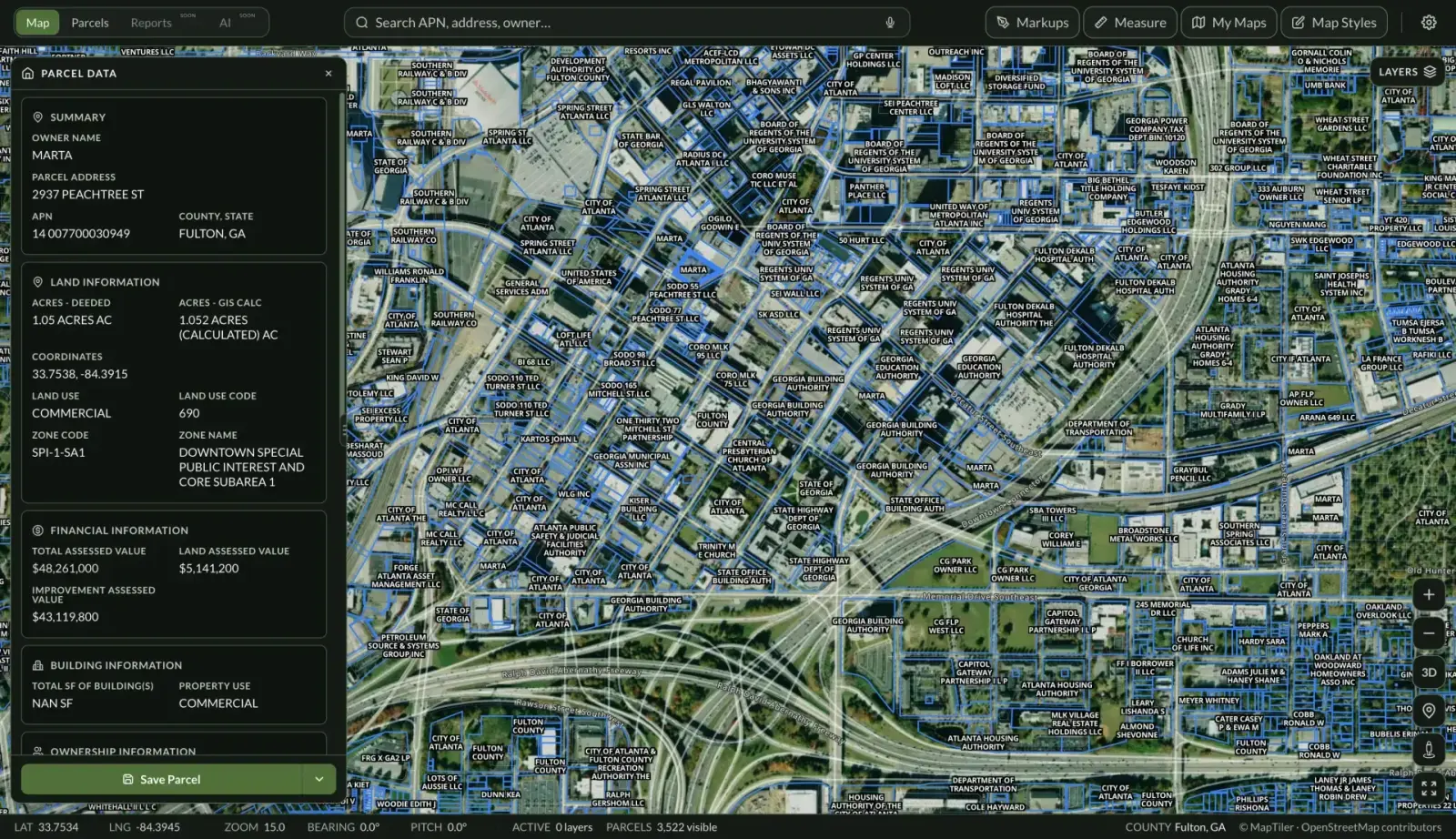
Walk the property and look for signs of someone else's use: maintained paths, grazing, cut timber, stored equipment, or posted signs that are not the owner's. In Land Owl, the parcel boundaries on the map show where the mapped lines run relative to roads and neighboring parcels — useful context for spotting where an encroachment is likely before you ever visit.
If you find an encroachment, talk to a real estate attorney. Remedies range from a simple recorded permission letter (which defeats the “hostile” element) to a boundary line agreement or quiet-title action.
See it on a real parcel
Land Owl overlays zoning, ownership, flood risk, and more on every parcel — before you commit a dollar.
What are the requirements for adverse possession?
Most states require possession that is actual, open and notorious (visible, not hidden), exclusive, hostile (without the owner's permission), and continuous for the full statutory period. Some states add requirements such as paying property taxes on the disputed land or holding “color of title” — a defective deed that appears to convey it.
Miss any element for any stretch of the period and the claim generally fails. The exact elements and how courts interpret them vary by state.
How long does adverse possession take?
The statutory period varies widely by state — commonly somewhere between 5 and 30 years, with shorter periods often available when the claimant has color of title or has paid the property taxes.
The clock can also pass between successive occupants in some states (called “tacking”), so a claim can mature even if no single person occupied the land for the whole period. Check your state's specific statute; the differences are large.
How do you prevent adverse possession on vacant land?
Visit and inspect the property regularly, and deal with encroachments promptly — a polite letter, a recorded license granting permission, or a demand to remove the encroachment all interrupt a claim. Granting written permission is particularly effective because permissive use is not “hostile.”
Posting the property, maintaining boundary markers, and paying taxes on time also help. For absentee owners, periodic aerial or satellite review of the parcel is a cheap early-warning system.
Can you adversely possess government land?
Generally no. Land owned by federal, state, and most local governments is typically immune from adverse possession, though a few states allow narrow exceptions against certain government-held land.
Railroad corridors, conservation lands, and other specially held properties often have their own protections too. Assume public land cannot be claimed this way unless an attorney confirms otherwise.