
Why it matters when buying land
Deed restrictions override your plans even when zoning is on your side. A parcel zoned for exactly what you want can still be off-limits if a past owner recorded a restriction against it — and the restriction wins.
Because restrictions run with the land, they transfer silently at closing. Sellers are not always aware of restrictions recorded decades ago, so “the seller never mentioned it” is no protection.
Violating a deed restriction can expose you to lawsuits from whoever holds the right to enforce it — often neighboring owners or a developer's successors — including court orders to remove offending structures.
How to check it
Order a title search or title insurance commitment — recorded restrictions appear as exceptions in the title report, with references to the recorded documents. This is the definitive check, and there is no map layer or shortcut that substitutes for it.
Read the actual recorded instruments, not just the summary: the precise wording determines what is restricted, who can enforce it, and whether it expires. Pull deeds in the chain of title from the county recorder if needed.
If you find a restriction that conflicts with your plans, have a real estate attorney assess whether it is still enforceable and what it would take to release it — before you close, while you can still walk away.
See it on a real parcel
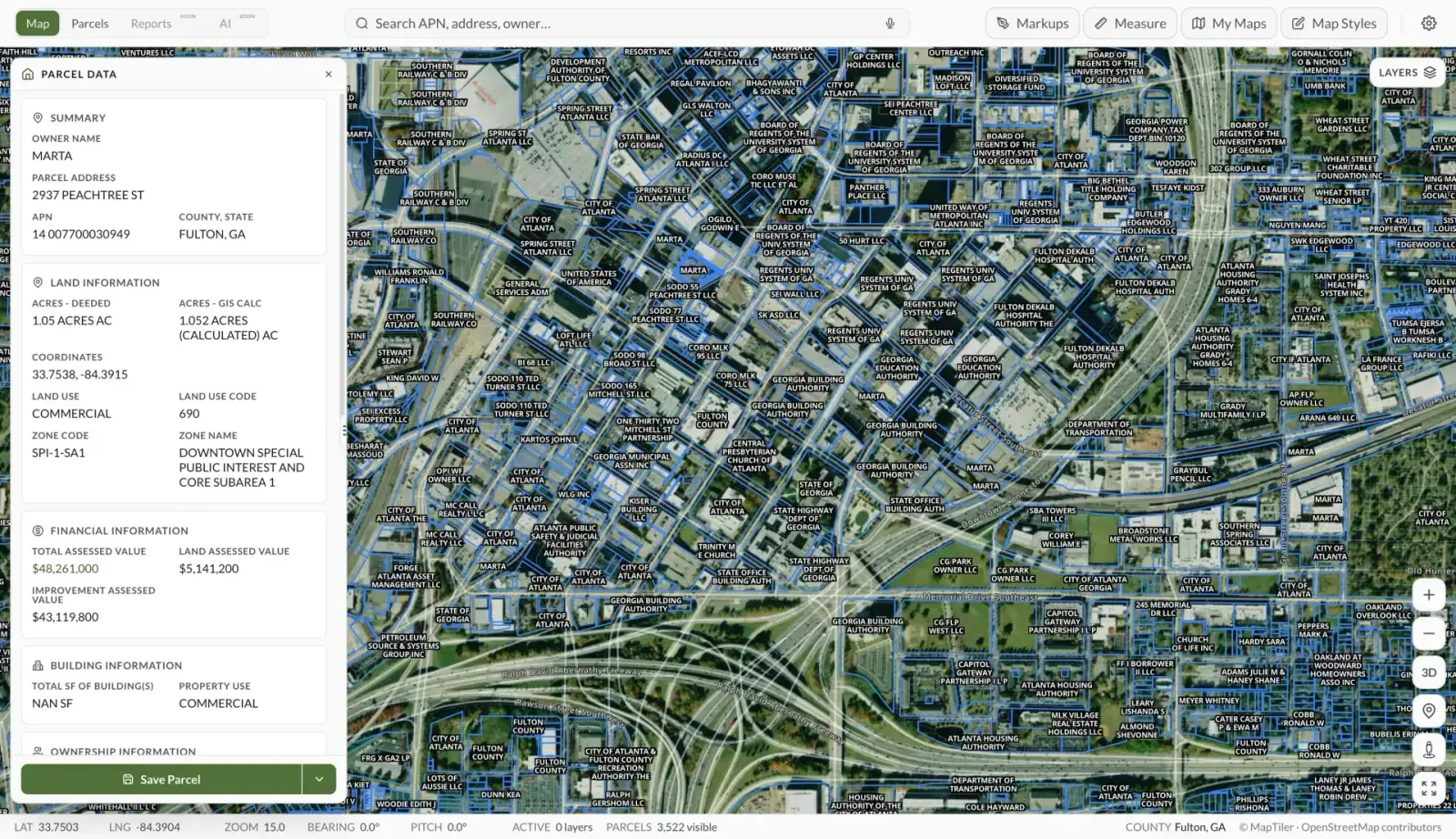
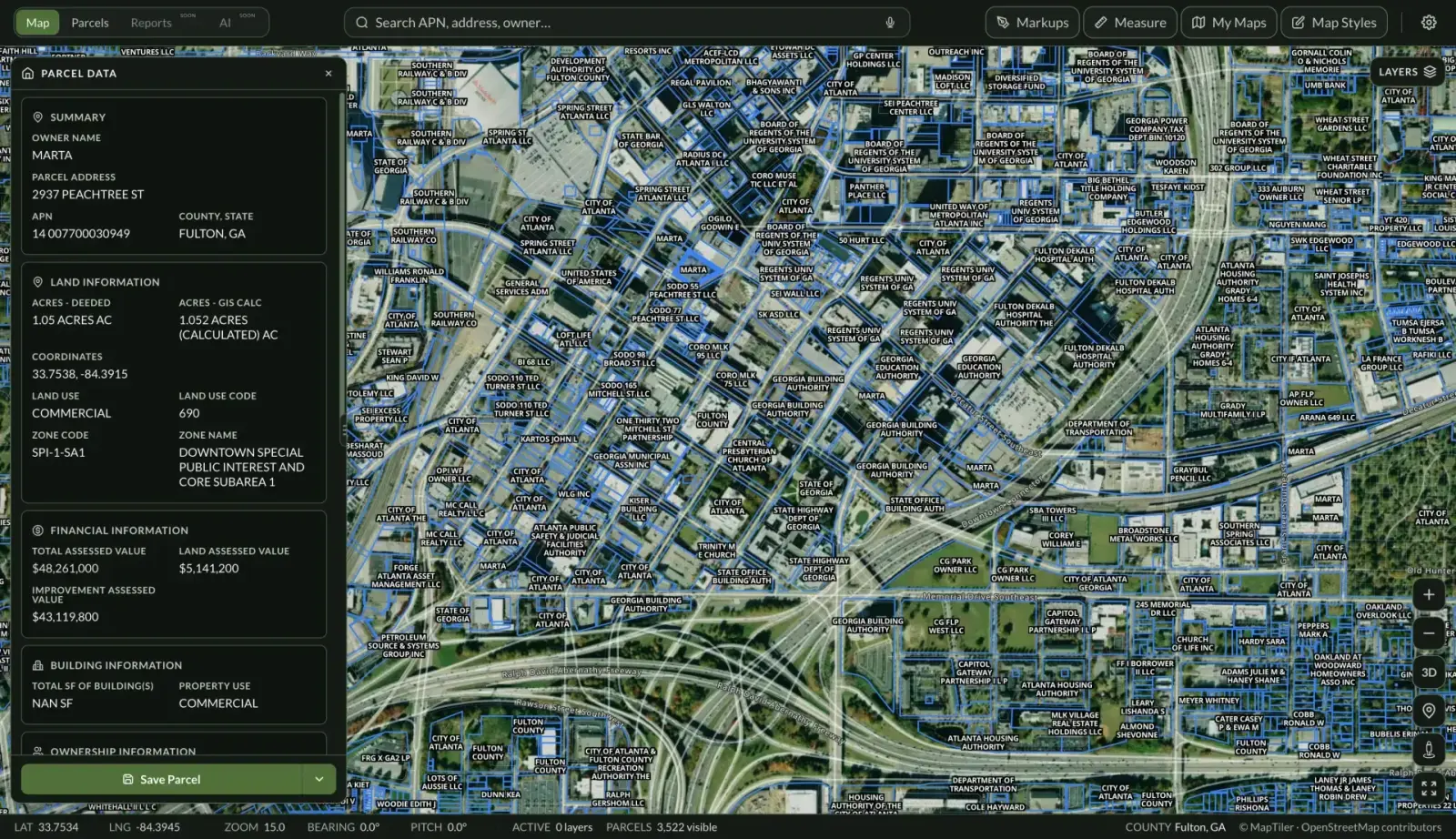
Land Owl overlays zoning, ownership, flood risk, and more on every parcel — before you commit a dollar.
Can you remove a deed restriction?
Sometimes, but rarely easily. Common paths include a written release from whoever holds the enforcement right, an amendment process if the restriction provides one, expiration by the restriction's own terms, and court action arguing the restriction has been abandoned or that conditions have so changed that it no longer serves its purpose.
Some states also have marketable title statutes that extinguish old restrictions not re-recorded within a set period. All of this varies by state and by the document's wording — budget for legal help, and assume the restriction stands until it is formally removed.
What happens if you violate a deed restriction?
Anyone with standing to enforce — typically neighboring lot owners, an HOA, or the original grantor's successors — can sue for an injunction or damages. Courts can and do order violating structures removed, even completed homes.
Enforcement is not automatic, though: if a restriction has been openly violated across the neighborhood for years without objection, a court may find it abandoned. That is a defense to argue after the fact, not a plan to rely on.
What is the difference between a deed restriction and zoning?
Zoning is public law imposed and changed by local government; a deed restriction is a private agreement recorded against the title. You must comply with both, and the more restrictive one controls in practice.
A variance or rezoning gives you no relief from a deed restriction, and releasing a deed restriction gives you no relief from zoning. They are separate hurdles cleared through entirely separate processes.
Do deed restrictions expire?
Some do, by their own terms — for example, a restriction written to last 30 years unless renewed by the lot owners. Others are written to be perpetual.
Separately, several states have statutes that limit how long old restrictions remain enforceable unless re-recorded, and long-ignored restrictions can be deemed abandoned. Whether a particular restriction is still alive depends on its wording and state law, so verify with a title professional or attorney rather than assuming.